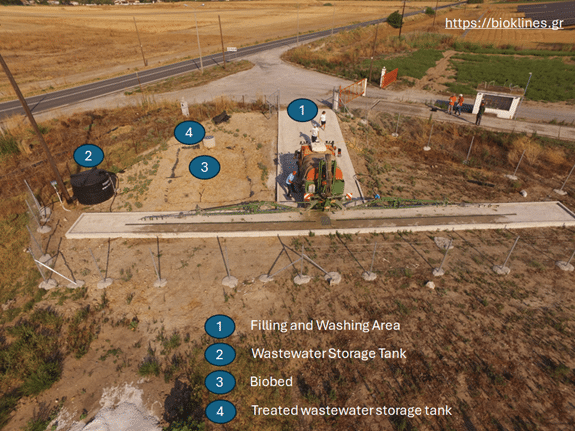
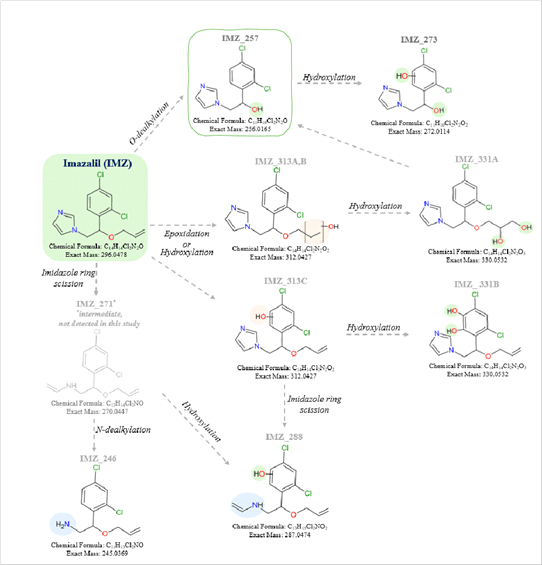
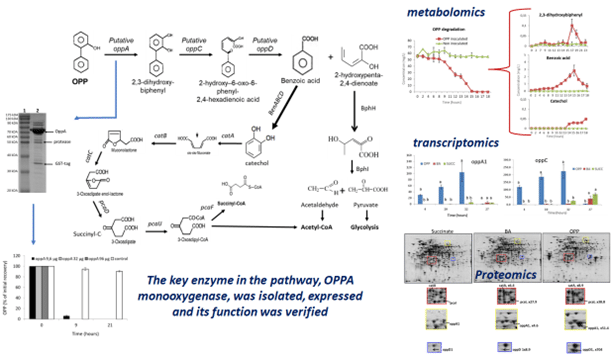
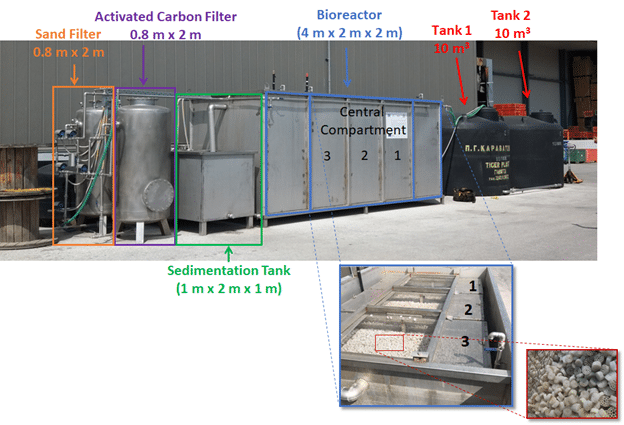
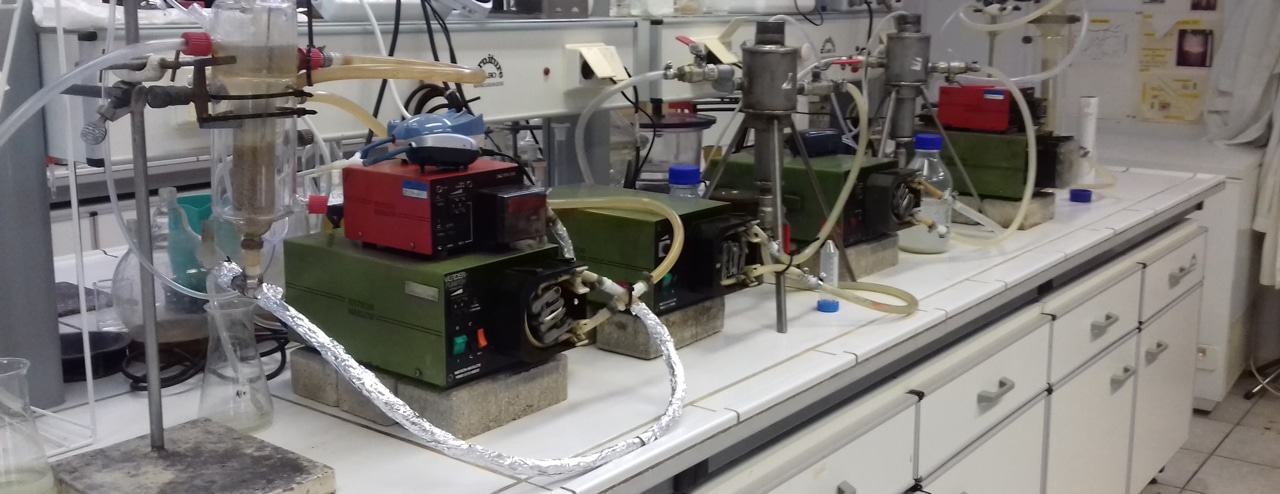
Soil constitutes the major sink of organic pollutants where the end-up intentionally (pesticides) or unintentionally (veterinary medicines and plastics) through unsustainable disposal practices. Microbial degradation of pesticides and veterinary medicines constitutes the main dissipation process driving their persistence in soil, unlike plastics whose microbial degradation becomes important only upon abiotic processes make these recalcitrant materials vulnerable to biotic transformations. We study the degradation of organic pollutants in soil but further isolate and characterize microorganisms able to actively degrade these pollutants. Eventually the transformation pathways of these chemicals in the isolated microorganisms is determined via advanced analytical methods and omic analyses and their further use in bioremediation approaches or in the development of bioprocesses for the depuration of agro-industrial effluents is explored. We have a rich collection of bacterial and fungal isolates (over 50) able to degrade a wide range of pesticides, antibiotics, anthelminthic compounds and other pharmaceuticals. We have used these microbes as inocula for (a) the treatment of wastewaters from fruit-packaging industries carrying high load of toxic ad persistent fungicides (b) as bioaumentation agents in on-farm biodepuration systems like biobeds firstly introduced in Greece by our group.
Papadopoulou, E.S., Lagos, S., Spentza, F., Vidiadakis, E., Karas, P.A., Klitsinaris, T. and Karpouzas, D.G. (2016), The dissipation of fipronil, chlorpyrifos, fosthiazate and ethoprophos in soils from potato monoculture areas: first evidence for the enhanced biodegradation of fosthiazate. Pest. Manag. Sci., 72: 1040-1050. https://doi.org/10.1002/ps.4092

Key figures that reflect the laboratory’s activity, scientific output and contribution to research and education.