
Plants produce a vast diversity of compounds collectively known as specialized (or secondary) metabolites.
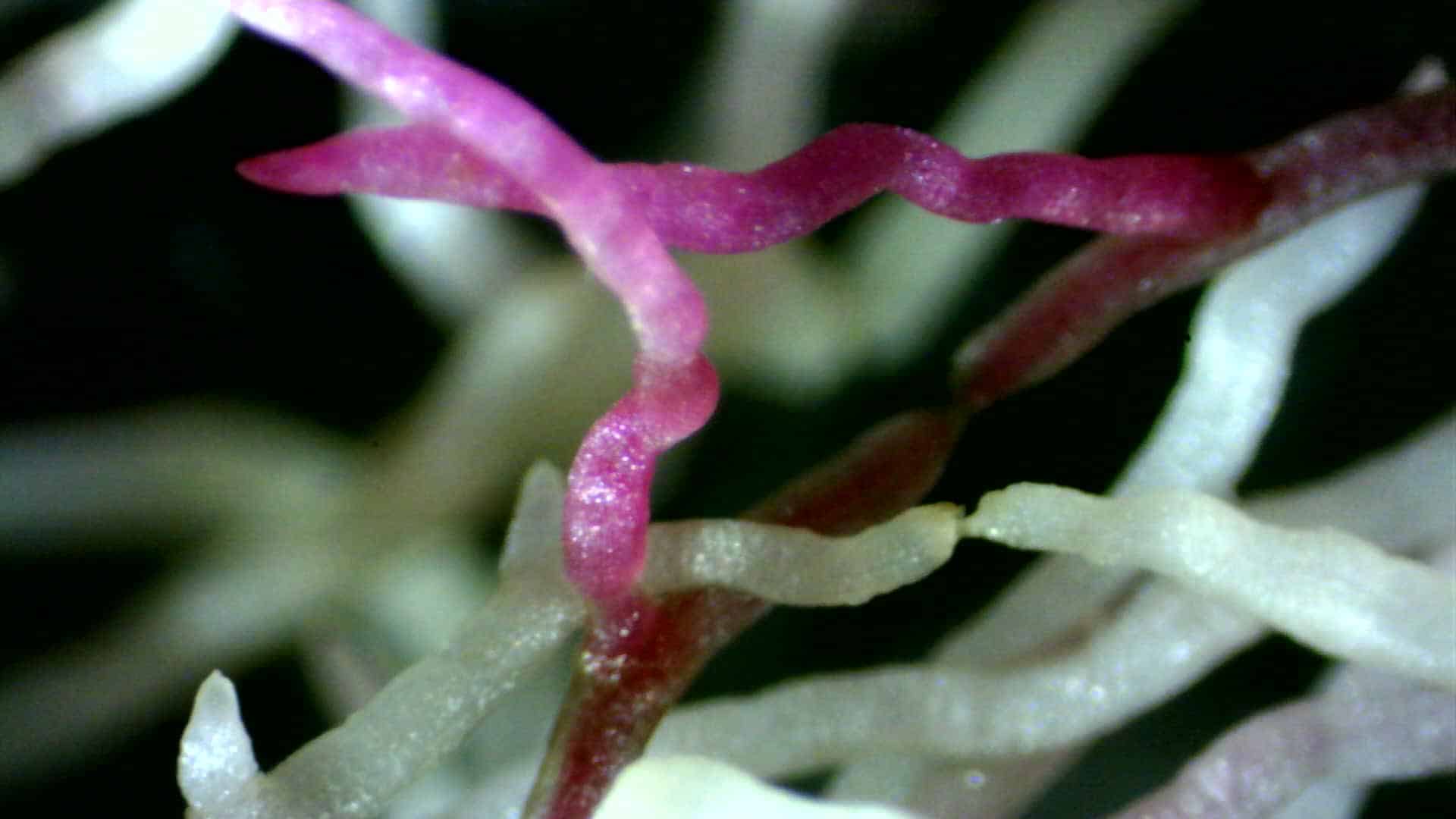
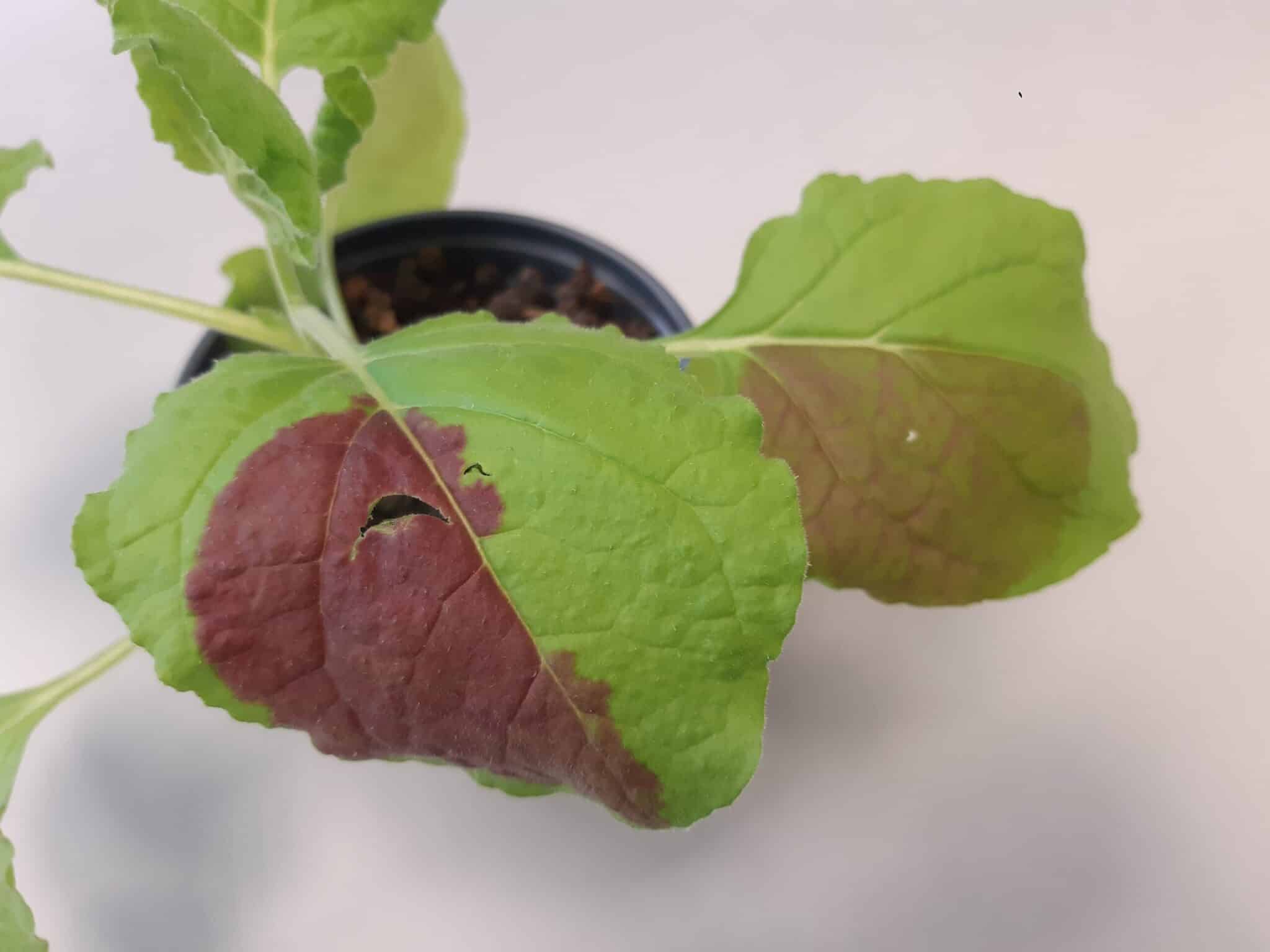
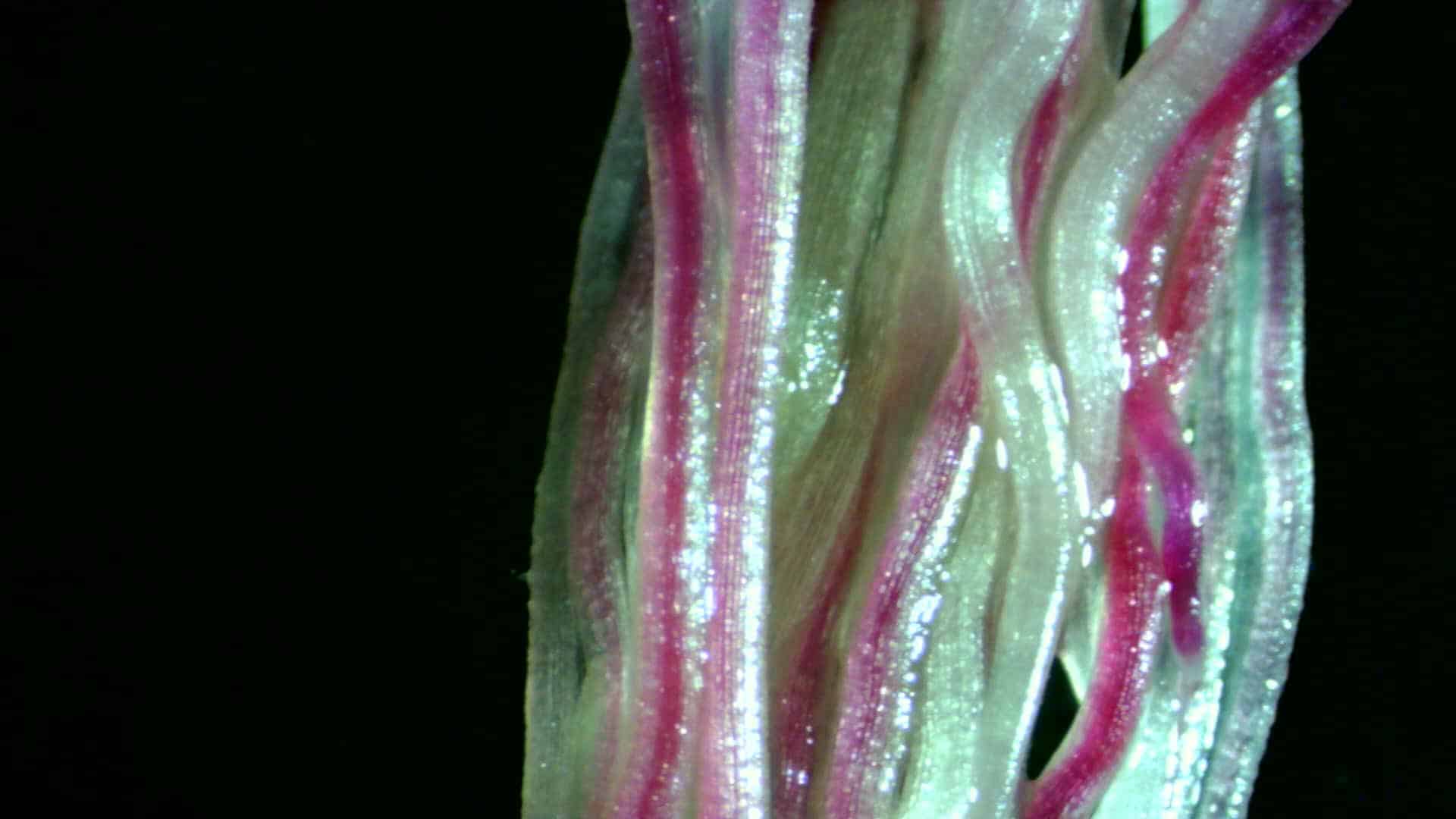
Our research focuses on the specialized (secondary) metabolism in plants, and particularly in the biosynthesis and functional role of triterpenes. These compounds play essential roles both in plant growth, development, environmental adaptation and defense as well as have many applications in human nutrition and health, serving as a rich source of pharmaceuticals and other bioactive molecules. We mainly study legume plants (both model and crop plants) and through omics approaches, microscopy, targeted metabolite analysis, use of synthetic biology tools, genome editing and metabolic engineering we aim to (a) elucidate biosynthetic pathways, (b) redesign them to enhance plant resilience and crop productivity to support sustainable agriculture and (c) use them as green platforms to produce high-value compounds with industrial and medicinal applications.



Mosses T, Papadopoulou KK, Osbourn AE (2014) Metabolic and functional diversity of saponins, biosynthetic intermediates and semi-synthetic derivatives. Critical Reviews in Biochemistry and Molecular Biology DOI: 10.3109/10409238.2014.953628
Krokida A, Delis C, Geisler K, Garagkounis C, Tsikou D, Peña-Rodríguez LM, Field B, Osbourn AE, Papadopoulou KK (2013) A metabolic gene cluster in Lotus japonicus discloses novel enzyme functions and products in triterpene biosynthesis New Phytologist 200: 675-690 DOI: 10.1111/nph.12414
Delis C, Krokida A, Georgiou S, Peña-Rodríguez LM, Kavroulakis N, Ioannou E, Roussis V, Osbourn AE, Papadopoulou KK (2011) Role of lupeol synthase in Lotus japonicus nodule formation. New Phytologist 189:335-346 DOI: 10.1111/j.1469-8137.2010.03463.x.

Key figures that reflect the laboratory’s activity, scientific output and contribution to research and education.

