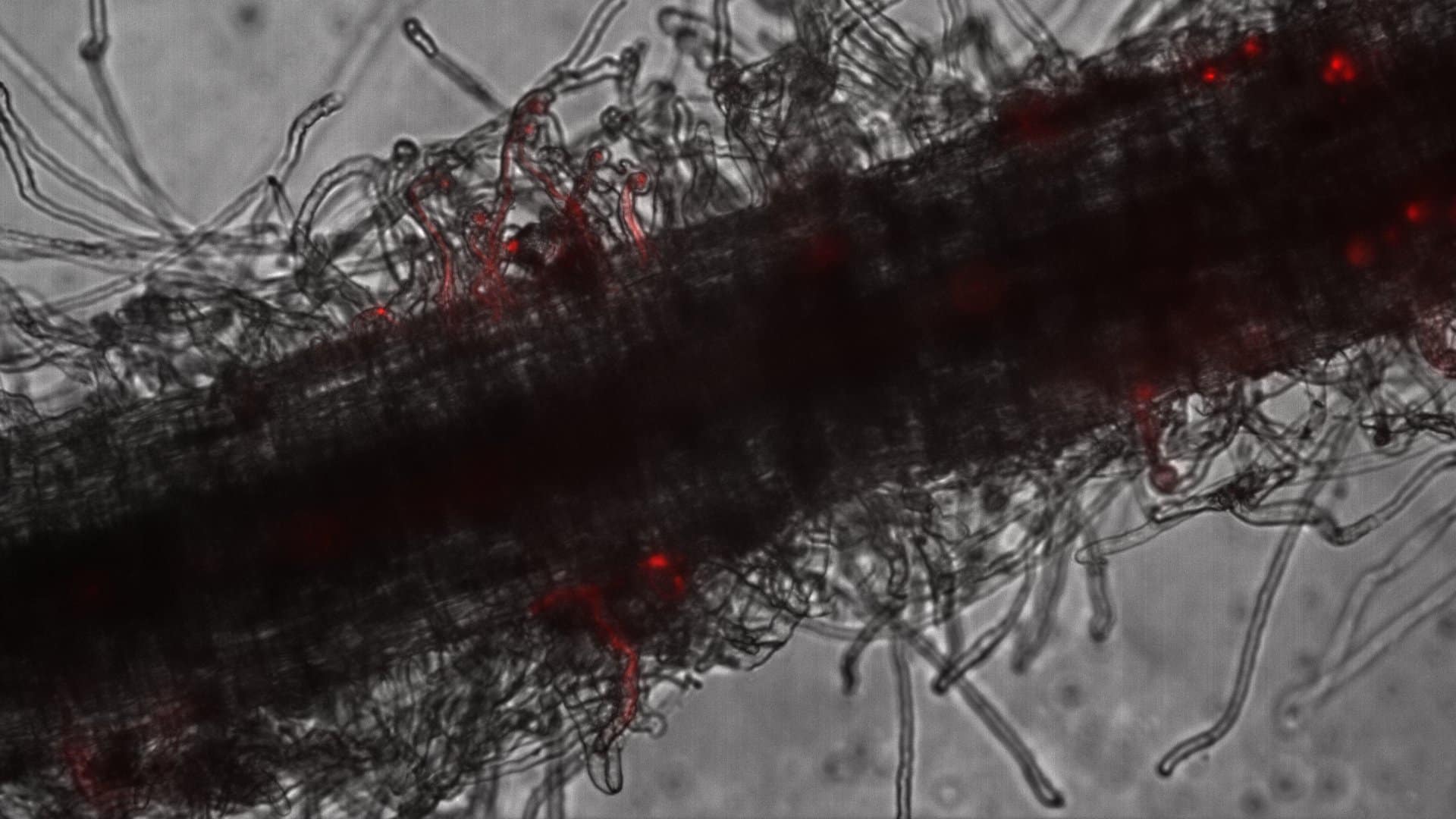
Plant symbioses with soil microorganisms, particularly arbuscular mycorrhizal (AM) fungi and nitrogen-fixing rhizobia, are among the most widespread and ecologically significant mutualistic interactions in terrestrial ecosystems.
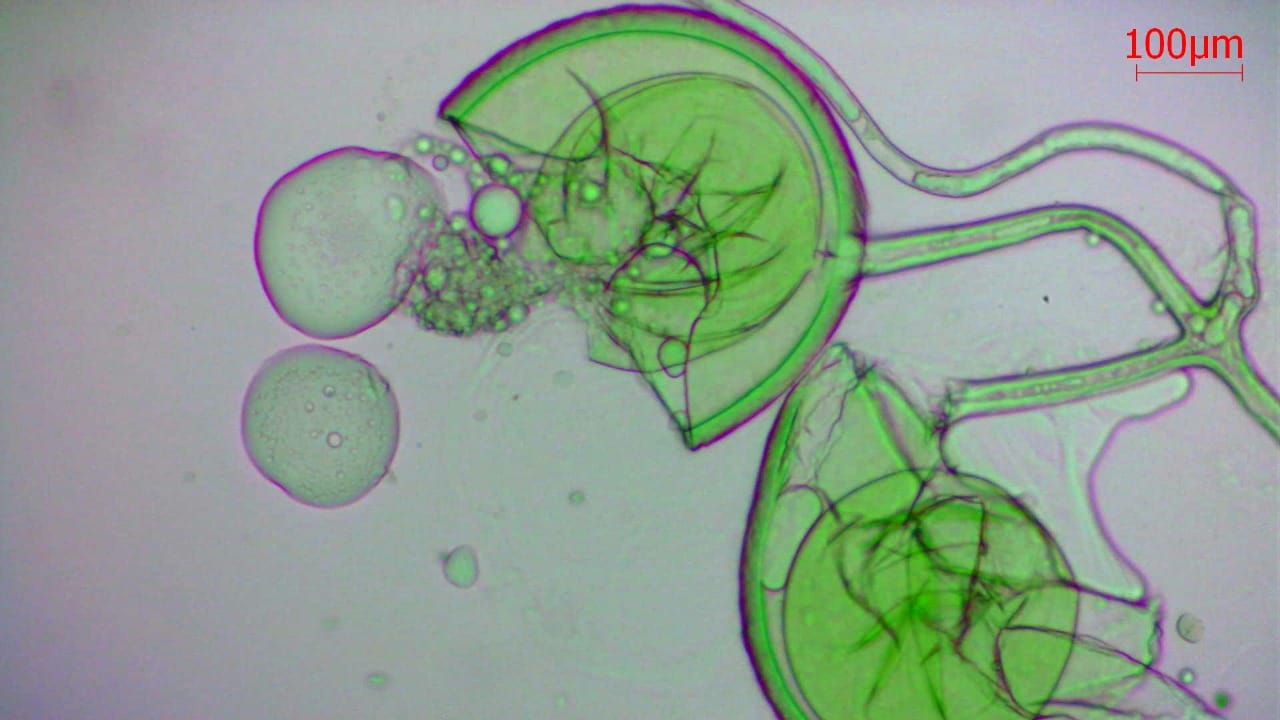
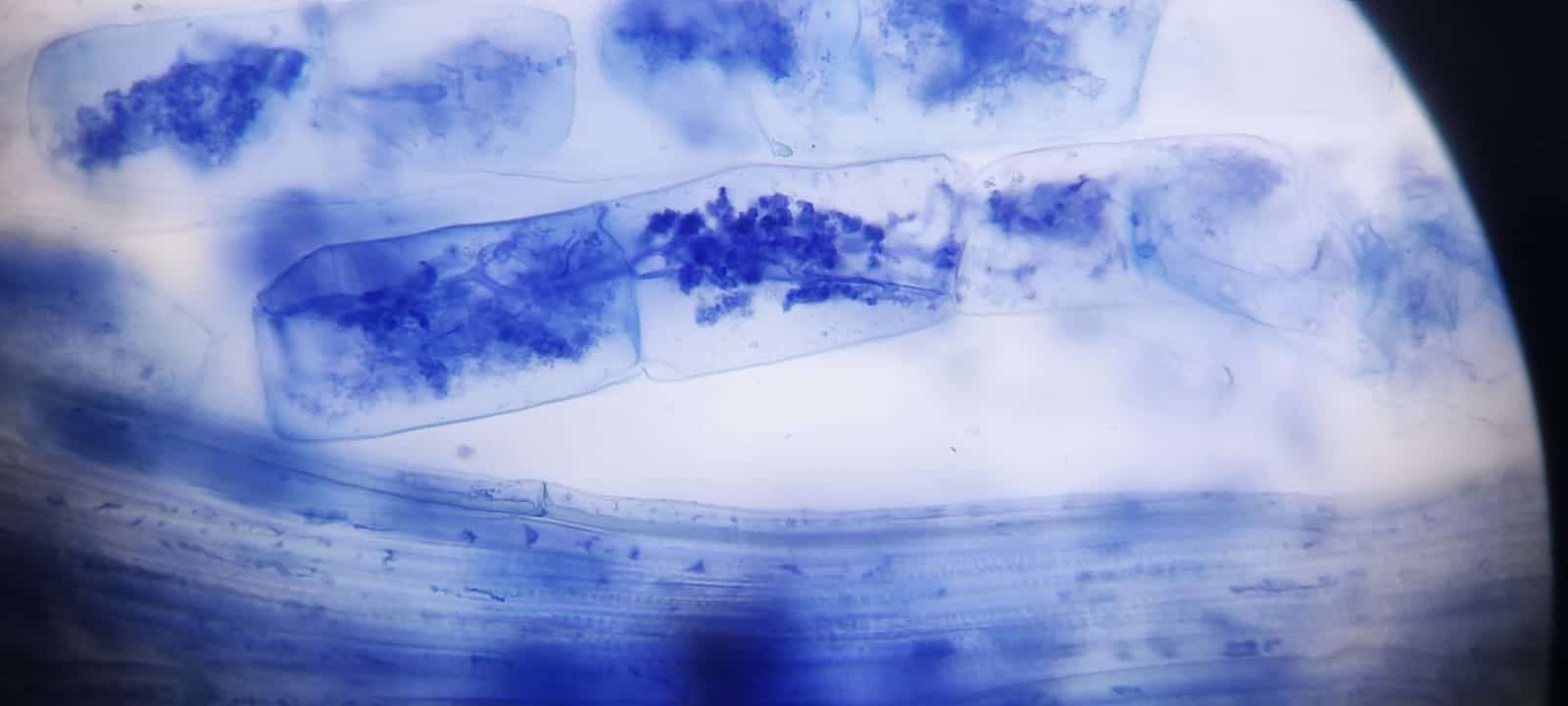
Our research combines ecological, molecular and applied approaches to understand and exploit these interactions for sustainable agriculture. In the case of AM fungi, we explore the diversity and ecology of AM fungal communities in natural and agricultural ecosystems using advanced molecular approaches, including amplicon sequencing and other genomics-based tools. We also develop and maintain in vitro culture systems for AM fungi to study fungal biology, host colonization processes, and symbiotic functionality under controlled conditions. Particular emphasis is placed on understanding how environmental factors, agricultural practices and host plants shape AM fungal biodiversity and symbiotic performance. Beyond fundamental research, we aim to harness these beneficial microorganisms as sustainable bioinoculants (biofertilizers and biostimulants) for agriculture. Indigenous AM fungi isolated from challenging environments, including saline and drought-prone ecosystems, are evaluated and have shown strong potential for their ability to enhance crop productivity, nutrient-use efficiency, and resilience to biotic and abiotic stresses in tomato and olive plants.
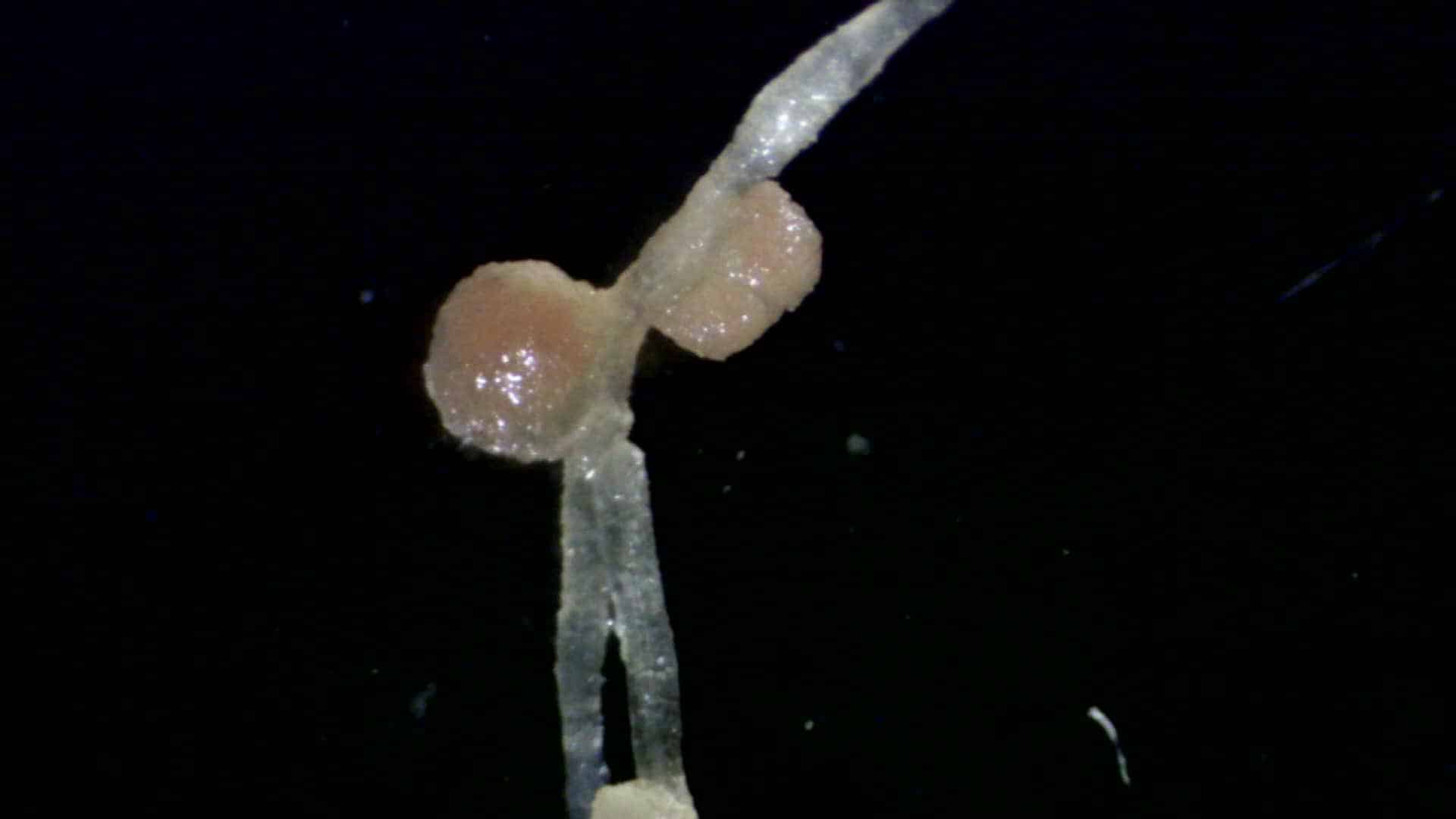
Our research on legume–rhizobium symbioses focuses on the genetic and molecular mechanisms underlying host recognition, infection, nodule organogenesis and biological nitrogen fixation. We investigate signaling pathways, genes and regulatory networks that control the establishment and efficiency of nodulation, aiming to unravel the key molecular players that determine successful symbiotic interactions.
In addition, we examine multipartite plant–microbe interactions through co-inoculation studies involving AM fungi, rhizobia and other beneficial microorganisms. These studies seek to understand how different microbial partners interact with each other and with the host plant, and how such bipartite and multipartite associations influence plant nutrition, growth, stress tolerance, and overall ecosystem functioning.
…
see also about our work on AM fungi as indicators of soil health in section Environmental Risk, Regulation & Biosafety

Key figures that reflect the laboratory’s activity, scientific output and contribution to research and education.